Raksha Bandhan in 2026 falls on Friday, 28 August, making it a natural occasion for a long family weekend, lunch, photographs and home visits. The best Rakhi outfit should feel special without becoming difficult to wear through several hours of sitting, serving, travelling and celebrating.
For many women, the smartest festive purchase is not a one-day costume. It is a beautifully fitted outfit that can return for a family function, Diwali gathering, engagement lunch or wedding-related event with different jewellery and styling. These Raksha Bandhan outfit ideas for 2026 balance tradition, comfort and repeat wear, with options that can be customised by a festive wear designer in Pune.
How to choose your Rakhi look
Begin with the kind of celebration you are attending. A quiet home puja, a large extended-family lunch and a restaurant gathering do not require the same level of formality. Consider the time of day, travel, weather, footwear and whether you will be managing children or hosting guests.
- Choose lighter, easy-moving silhouettes for daytime family celebrations.
- Use one strong design element, such as a statement blouse or embroidered dupatta, instead of making every layer heavy.
- Select a neckline that works with the jewellery you already own.
- Prefer colours that can be restyled for future festive events.
- Make sure the outfit remains comfortable while sitting on the floor or moving between homes, if that is part of your celebration.
Want a festive outfit made to your measurements?
1. A lightweight Anarkali with a detailed neckline
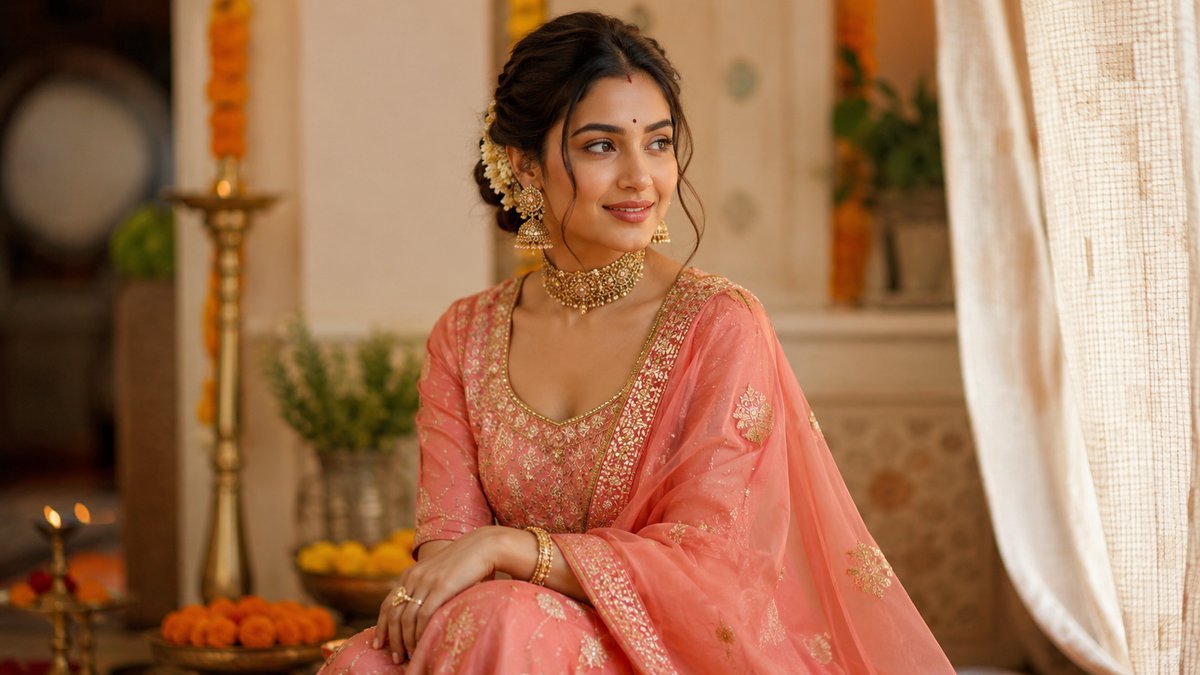
An Anarkali is a reliable choice when you want a graceful traditional look without managing a separate skirt and blouse. For Raksha Bandhan, the silhouette can remain relatively light while the neckline, sleeve edge or dupatta carries the visual detail.
A softer flare is practical for home celebrations, while a fuller version can work for a larger family gathering. Pair it with small earrings for a minimal look or add a choker and bangles when you want more formality.
2. A saree with a modern custom blouse
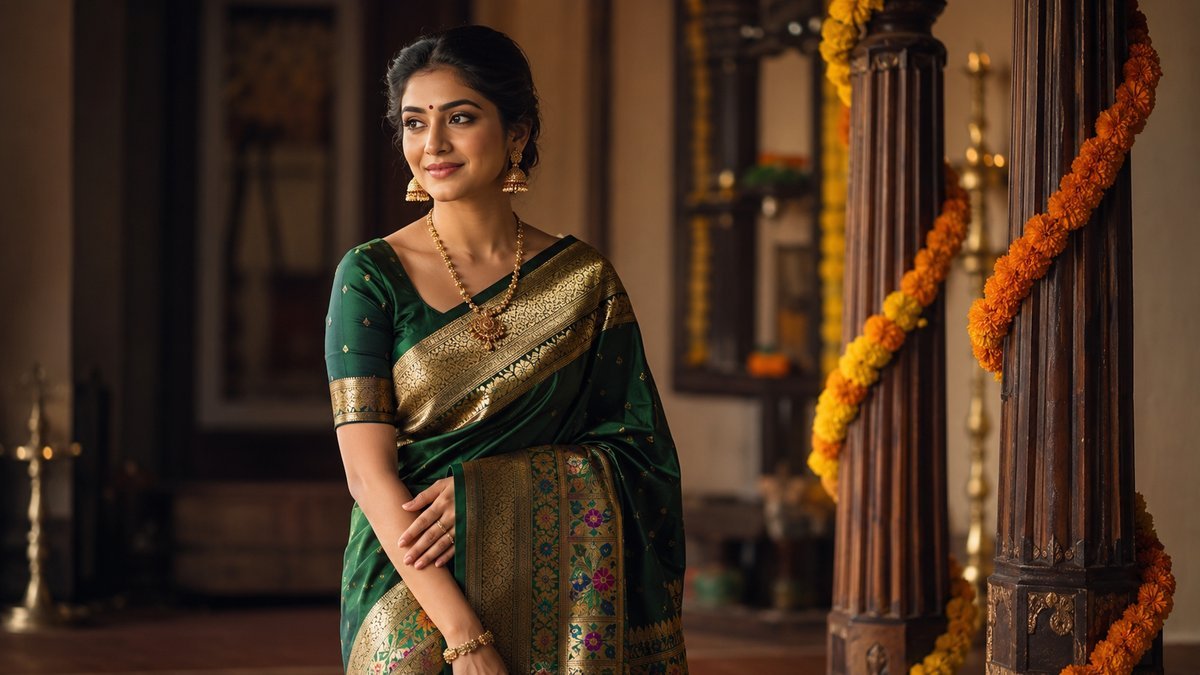
A saree becomes far more personal when the blouse is designed around the wearer rather than treated as an afterthought. A clean saree can be transformed with a structured blouse, an interesting back, shaped sleeves, contrast piping or carefully placed embroidery.
This is also one of the most reusable Rakhi outfit ideas. The same blouse may later be paired with another saree or a festive skirt, while the saree can be restyled with a simpler blouse for a different occasion.
3. A kurta and skirt set
A kurta with a coordinated skirt offers the ease of separates with the visual presence of a festive set. A short kurta can create a younger, sharper proportion, while a longer kurta feels more traditional. The skirt can be lightly flared so it moves well without becoming overly bridal.
The biggest advantage is flexibility. After Raksha Bandhan, wear the kurta with trousers or the skirt with a plain blouse. This makes the outfit useful well beyond one celebration.
4. A contemporary Indo-Western set
For women who do not want a fully traditional look, an Indo-Western outfit can combine an asymmetric top, draped skirt, coordinated trousers, cape or structured jacket. The design should still feel coherent rather than looking like several trends placed together.
Choose one defining idea: perhaps a drape, an architectural neckline or a softly embroidered jacket. Keep the remaining pieces clean so that the look stays elegant and photographs well.
5. A relaxed sharara or gharara set
A sharara or gharara can feel festive while remaining comfortable for a long family day. The movement comes from the lower half, so the kurta can be relatively clean. A short kurta with a detailed yoke or sleeve is especially effective when you want balance without excessive weight.
Make sure the length is tested with the footwear you will actually wear. The hem should move freely without being dragged or caught while walking.
6. A minimal lehenga for a family celebration
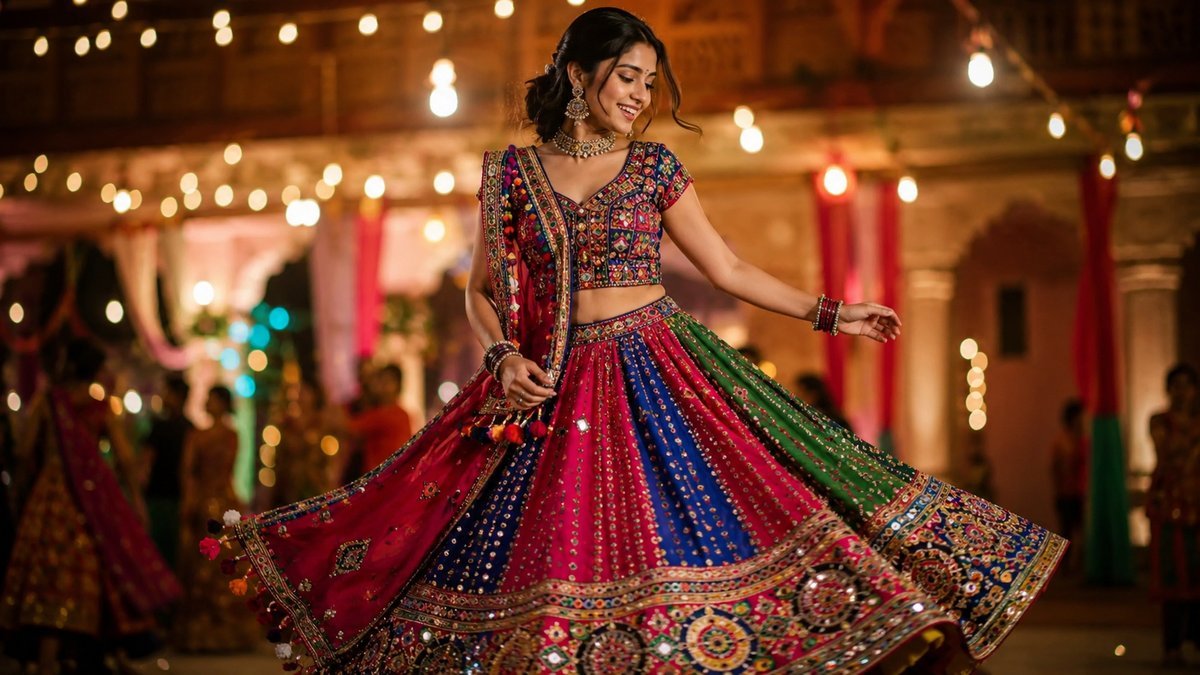
A lehenga does not need bridal-level embroidery to look appropriate for Raksha Bandhan. A lightweight skirt with a well-fitted blouse and a softer dupatta can create a festive look that remains wearable.
Choose a skirt that can later be paired with a shirt, crop top or another blouse. A detachable belt, cape or embroidered dupatta can provide the festive element without locking the outfit into one styling formula.
7. A coordinated set for a newly married woman
A newly married woman may want a slightly richer look for her first Raksha Bandhan after the wedding. Instead of defaulting to an extremely heavy outfit, consider a jewel-toned saree, a silk-blend Anarkali, a refined lehenga set or an outfit that works with wedding jewellery already in the wardrobe.
Deep wine, emerald, warm red, antique gold and rich blue can create a ceremonial presence. The design can still remain manageable through restrained embroidery and strong tailoring.
Colours that feel festive without limiting repeat wear
Colour is one of the easiest ways to make a simple silhouette feel appropriate for Rakhi. The most useful palette is one you can imagine wearing again.
- Rose, coral and warm pink for a lively daytime look
- Emerald, teal or deep green for a rich but versatile option
- Mustard, marigold and antique gold for warmth
- Powder blue, lavender or mint for a softer contemporary mood
- Wine, plum or navy for an evening family event
- Ivory or beige with a coloured border or dupatta for quiet elegance
Before confirming a very pale colour, consider the setting, the possibility of rain or travel and how much time you will spend handling food or gifts. A beautiful outfit should not make you anxious throughout the celebration.
Fabric and comfort for a late-August celebration
Raksha Bandhan arrives during the monsoon period in Pune, so practical styling matters. Avoid creating unnecessary heaviness through too many layers. Fabrics should be selected according to the silhouette and the real celebration environment rather than only how they look in a close-up photograph.
- Use fluid fabrics for draped or easy-moving silhouettes.
- Use crisp fabrics when the design needs a clean structure or controlled volume.
- Check whether the lining feels breathable against the skin.
- Keep floor-touching hems manageable when travel is involved.
- Test sleeves and armholes for reaching, serving and hugging family members.
- Secure dupattas with discreet loops or planned pin points instead of repeated last-minute pinning.
How to make the outfit look styled, not overdone
Festive dressing becomes more polished when there is a clear hierarchy. If the blouse is heavily detailed, choose a calmer dupatta. If the outfit has a strong colour, jewellery can remain refined. If the saree is minimal, let the blouse or earrings carry the focus.
- Choose either statement earrings or a statement necklace, unless the outfit is intentionally traditional and supports both.
- Repeat one metallic tone across jewellery, bag and footwear.
- Use a small potli, structured mini bag or clean clutch rather than a casual oversized bag.
- Plan hair according to the neckline so the design remains visible.
- Wear footwear that is already tested, especially when visiting multiple homes.
When should you place a custom Rakhi order?
Custom festive wear requires design confirmation, fabric selection, construction and fittings. The required time varies by complexity and the studio's existing schedule. Begin the enquiry early, particularly if you want a new blouse pattern, handwork, custom dyeing or a coordinated family look.
If the date is close, ask what can responsibly be completed rather than requesting a rushed version of an intricate design. A simpler outfit with excellent fit usually looks more refined than an ambitious design finished under avoidable time pressure.
A repeat-wear test before you buy
Before confirming the design, imagine at least three future combinations. Could the blouse work with a saree? Could the skirt work with a plain top? Could the dupatta elevate another kurta? Could the Anarkali be restyled with different jewellery?
The best Raksha Bandhan outfit is not only beautiful on 28 August. It becomes a useful part of your festive wardrobe. For heavier bridal projects, our bridal lehenga guide walks through the full custom process.
Frequently Asked Questions
What should women wear for Raksha Bandhan 2026?
Anarkalis, sarees with statement blouses, kurta-skirt sets, shararas, lightweight lehengas and Indo-Western separates can all work. Choose according to the celebration, comfort, time of day and how often you want to rewear the outfit.
Which colour is best for a Rakhi outfit?
Warm pink, green, mustard, blue, wine, ivory and soft pastels can all feel festive. Select a shade that suits your skin undertone and can work with jewellery already in your wardrobe.
Can I wear a lehenga for Raksha Bandhan?
Yes. Choose a lightweight, non-bridal lehenga with controlled volume and a versatile blouse. The outfit should allow easy sitting, walking and family activities.
How can I reuse a Raksha Bandhan outfit?
Choose separates. Restyle the blouse with a saree, the skirt with a plain top, the kurta with trousers or the dupatta with another set. Repeat wear should be considered during the design stage.
Where can I order custom festive wear in Pune?
Aarti Shingle offers an appointment-led custom process in Pune. Share your celebration date, reference images and preferred silhouette through the Custom Order or Contact page to discuss availability.
Dress for the celebration you will actually have
The most successful festive look is not the one with the most embellishment. It is the one that lets you take part in the day fully. You should be able to sit comfortably, move between conversations, handle gifts, pose for photographs and enjoy the celebration without constantly adjusting the outfit.
Use these Raksha Bandhan outfit ideas for 2026 as a starting point, then adapt the colour, fit and detail to your own wardrobe and family plans. Thoughtful customisation can make even a simple silhouette feel distinctive, personal and worth wearing again.