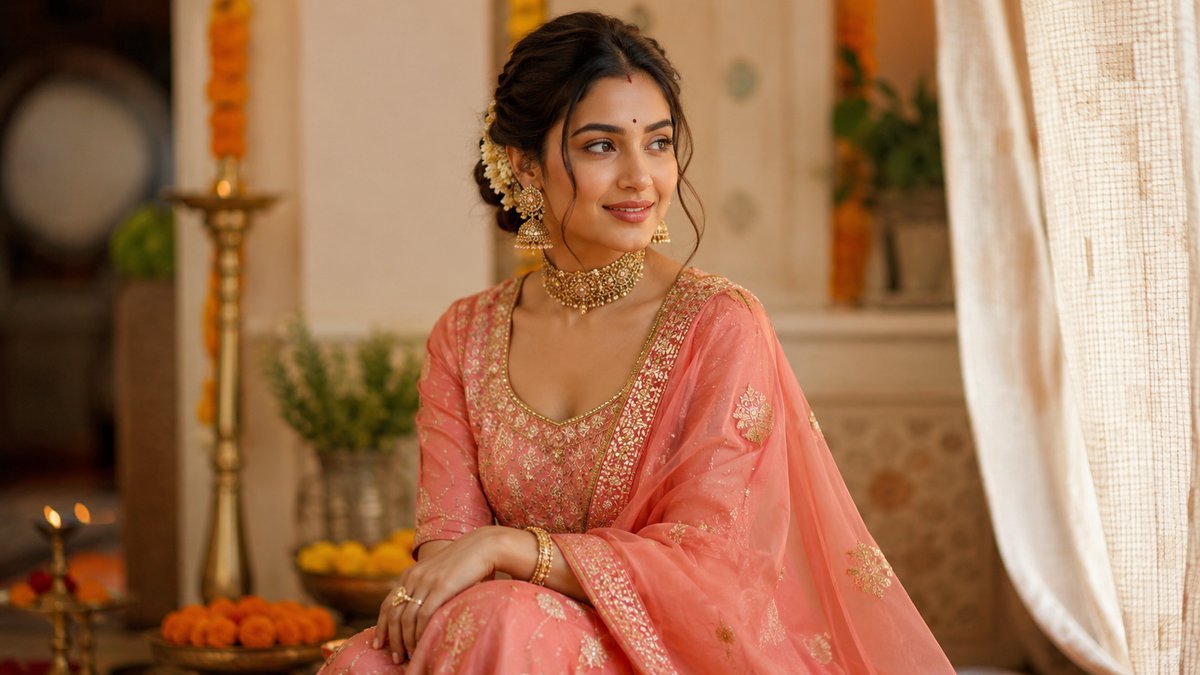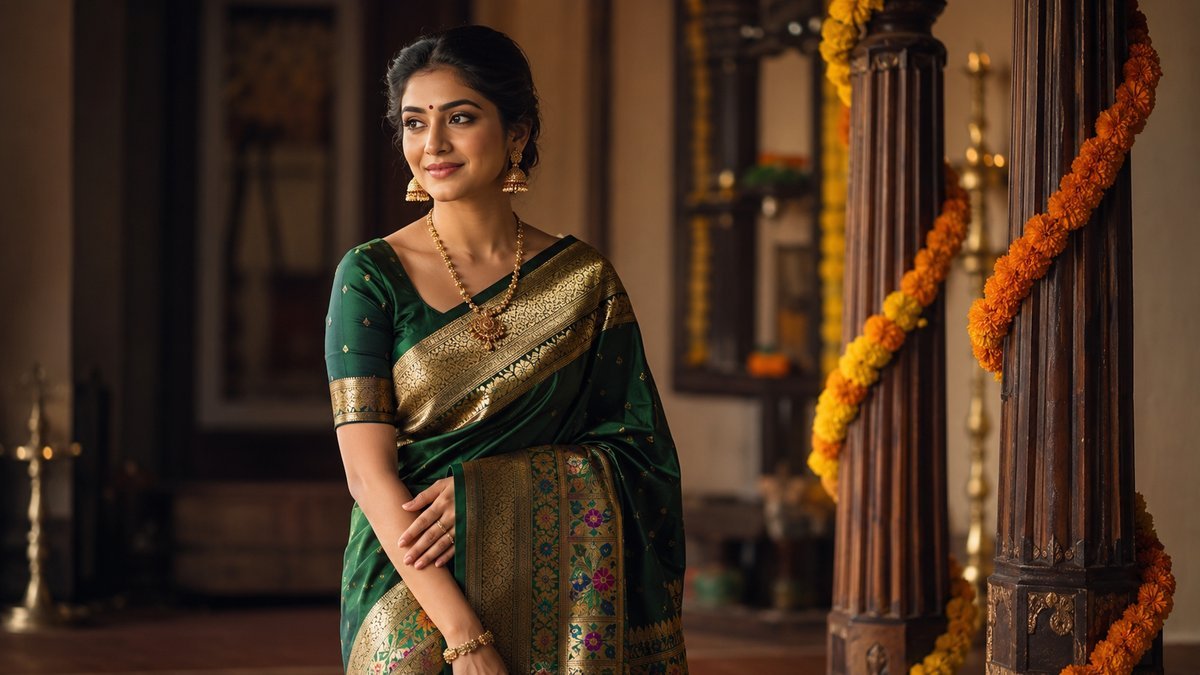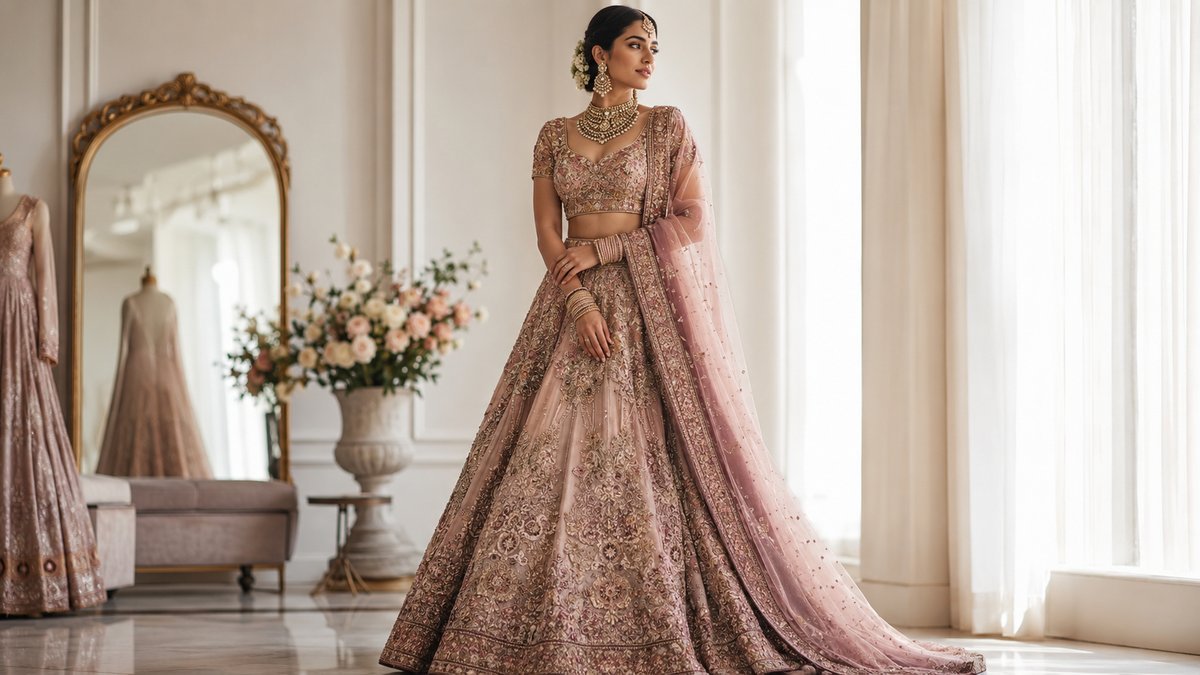
Choosing a bridal lehenga is one of the most exciting parts of wedding planning, but it can also become overwhelming very quickly. A bride may begin with a saved folder full of red lehengas, pastel looks, corset blouses, traditional embroidery and modern drapes, only to realise that many of those references suit different venues, body proportions, climates and wedding functions.
If you are searching for a bridal lehenga in Pune, the most useful first step is not to select a trending colour. It is to understand the complete look you need, how you want to feel in it and how much time the design and fitting process requires. This guide explains the major decisions clearly so that you can approach a designer with confidence instead of making a rushed choice.
Start with the wedding function, not the trend
A lehenga that works beautifully for a daytime garden ceremony may not create the same impact at a large evening wedding. Before discussing embroidery or colour, define the setting in which the outfit will be worn.
- For a daytime ceremony, softer tones, breathable layers and detail that looks elegant in natural light can work especially well.
- For an evening wedding, deeper colours, richer textures and focused surface work can hold their presence under venue lighting.
- For a destination or outdoor event, weight, packability and ease of movement deserve as much attention as the visual design.
- For a traditional ceremony, the drape, neckline, jewellery plan and family customs may influence the final silhouette.
- For a reception or cocktail function, a more sculpted blouse, fluid skirt or transformable styling can create a contemporary look.
A good bridal consultation should therefore begin with the event, venue, time of day, jewellery and personal comfort. A reference image is useful, but it should be treated as a direction rather than something to copy blindly.
Ready-made lehenga or custom bridal lehenga?
Ready-made bridal wear is useful when the wedding date is close or when a bride finds a design that already matches her vision. The trade-off is that alterations can only solve certain issues. The original proportions, embroidery placement, skirt volume and blouse construction were created for a standard pattern rather than for one specific bride.
A custom bridal lehenga is developed around the wearer. The silhouette, neckline, sleeve, colour, embroidery density and practical details can be adjusted together. Customisation is not only about adding more work. It can also mean removing unnecessary weight, changing the placement of motifs, building better support into the blouse or creating a dupatta arrangement that feels secure.
Have a wedding date and a few references in mind?
Choose a silhouette that supports your movement
The right silhouette is not simply the one that appears most frequently on social media. It should create the visual proportion you like while allowing you to sit, walk, greet guests and remain comfortable through a long function.
Classic flared lehenga
A classic flared skirt creates movement and a strong bridal shape. The amount of flare can be controlled according to the bride's height, venue scale and preferred level of drama.
Panelled or kalidar lehenga
A panelled construction distributes volume through multiple sections. It can give the skirt a graceful fall while allowing colour, fabric or embroidery transitions to be planned more precisely.
A-line lehenga
An A-line silhouette is cleaner and less voluminous than a full circular skirt. It is worth considering for brides who want an elegant shape without carrying excessive fabric.
Fishtail or mermaid-inspired shape
This silhouette is fitted through the upper section and opens lower down. It creates a sculpted appearance, but the fit must be tested carefully because walking and sitting comfort depend on accurate construction.
Lehenga with a structured or corset-inspired blouse
Structured blouses remain popular because they can create support and definition while giving a traditional skirt a modern contrast. The best version is not uncomfortably tight. It should be engineered for the wearer and tested during fittings.
Select fabric according to season, venue and desired shape
Fabric controls more than comfort. It determines how a skirt falls, how embroidery sits, how a colour reflects light and how the entire outfit photographs. A fabric that looks rich on a hanger may behave very differently once it carries layers, lining and surface work.
- Silk-based fabrics can create structure and ceremonial richness.
- Organza can produce lightness and a crisp, airy appearance, but layering and transparency must be planned carefully.
- Georgette and similar fluid fabrics can support movement and softer draping.
- Velvet creates depth and richness, especially for cooler weather or evening functions, but may feel heavy in warmer conditions.
- Tulle and net can build volume with less visual weight, although the finish depends heavily on the quality of the layers and embroidery.
For a Pune wedding, consider the actual month, indoor or outdoor venue, expected time spent on stage and travel between functions. The most beautiful fabric is the one that creates the intended look without becoming a distraction during the ceremony.
Bridal colour directions for 2026
Traditional red remains meaningful and timeless, but modern brides are exploring a wider colour range. Current bridal styling is increasingly personal: some brides choose a softer version of a heritage colour, while others select a shade that complements their jewellery, venue or skin undertone.
- Soft vermilion and warm red for a traditional look with a more nuanced tone.
- Deep wine or plum for a rich evening presence.
- Muted rose and dusty pink for a romantic look that is softer than bright pink.
- Champagne, beige and antique-gold tones for understated glamour.
- Ivory with coloured accents for brides who prefer quiet elegance.
- Emerald, sapphire or other jewel tones for a non-red look that still feels ceremonial.
- Earthy terracotta, olive or mustard accents for a distinctive, rooted palette.
Trend information should help you discover possibilities, not pressure you into a colour that does not feel like you. View the shortlisted fabric near your face, under natural light and beside your jewellery before finalising it.
Plan embroidery around the whole outfit
More embroidery does not automatically create a better bridal lehenga. The design becomes stronger when the surface work follows the silhouette and gives the eye clear areas of focus.
- A heavier border can anchor a flowing skirt.
- Graduated work can keep the upper area lighter while adding richness toward the hem.
- Motif placement can lengthen or widen the visual proportion of the skirt.
- A detailed blouse can balance a relatively restrained lehenga.
- Tone-on-tone work can feel luxurious without depending on high contrast.
- Handcrafted details can be combined with cleaner areas so the workmanship remains visible rather than crowded.
Ask the designer to explain not just what technique will be used, but where it will be placed, how it affects weight and what the blouse and dupatta will look like as one complete composition.
What determines the price of a custom bridal lehenga?
There is no responsible way to give one universal bridal lehenga price in Pune because two outfits with a similar photograph can require very different materials and labour. A genuine quote usually depends on the following factors:
- Fabric type, quality and quantity
- Skirt construction and number of layers
- Amount, complexity and technique of surface work
- Handwork versus machine-assisted detailing
- Blouse structure and internal support
- Number and style of dupattas
- Custom dyeing, motif development or special sourcing
- Fittings, alterations and finishing requirements
- Order timeline and whether the request is unusually urgent
Instead of asking only, “What is the price?”, share a realistic budget range and ask what design approach can be created within it. This allows the designer to prioritise the areas that matter most, such as a strong blouse, a beautifully worked border or a more luxurious fabric.
How early should you begin?
A custom bridal outfit needs time for design decisions, material sourcing, construction, surface work and fittings. The safest approach is to begin as early as possible once the wedding date and core look are clear. Intricate work, multiple dupattas, custom colour development or a busy wedding season can require additional planning.
Do not wait until the final weeks simply because you are still collecting references. A first consultation can happen before every detail is decided. It is better to reserve enough working time and refine the design carefully than to force important decisions into an urgent schedule.
A practical fitting process
- Consultation: discuss the function, references, comfort, budget direction and wedding date.
- Design confirmation: finalise the silhouette, colour, neckline, sleeves, dupatta plan and level of work.
- Measurements and base fit: establish the pattern and structural fit before final finishing.
- Progress fitting: test blouse support, skirt waist, movement, length and overall proportion.
- Final fitting: wear the intended footwear and, where possible, test jewellery or a similar-weight dupatta.
- Handover check: confirm hooks, closures, spare fastenings, storage, steaming and care instructions.
Questions to ask before confirming a designer
- Will the outfit be made to my measurements or altered from an existing sample?
- What parts of the reference can realistically be adapted?
- Which fabric and construction will create this silhouette?
- How many fittings are expected?
- What is included in the quote?
- How will changes after design confirmation be handled?
- What footwear should I bring to the fitting?
- How should the outfit be stored and transported?
- What is the latest safe date for final alterations?
Shopping locally in Pune: why the consultation matters
Working with a bridal designer in Pune can make the process more collaborative because fabric, fit, colour and movement can be reviewed in person. This is particularly valuable for a structured blouse or a heavily layered lehenga, where small changes can affect comfort and proportion.
Aarti Shingle works through an appointment-led custom process. Brides can discuss their references, function and preferred design direction before the outfit is developed. The goal is not to copy a look from the internet, but to translate the inspiration into something personal, wearable and suitable for the actual wedding.
Final bridal lehenga checklist
- The colour works with your skin undertone, jewellery and venue lighting.
- You can sit, walk and climb a few steps comfortably.
- The blouse remains supportive without restricting breathing.
- The skirt length is tested with the final footwear.
- The dupatta placement feels secure and does not pull the blouse.
- The outfit has a clear visual focus rather than equal heaviness everywhere.
- The final styling still feels like your personality, not only a 2026 trend.
- You understand care, storage and transport requirements before the wedding.
Frequently Asked Questions
How early should I order a custom bridal lehenga in Pune?
Begin as early as possible after the wedding date and design direction are known. The exact lead time depends on fabric sourcing, embroidery, fittings, season and complexity, so confirm availability directly with the designer rather than relying on a generic timeline.
Can a bridal lehenga be customised from a reference photo?
A reference can guide the colour, mood, silhouette or detail level, but a strong custom design should be adapted to the bride, venue, budget and fit. Exact copying may also be limited by materials and craftsmanship.
Which bridal lehenga colour is trending in 2026?
Warm reds, wine, muted rose, champagne, ivory, jewel tones and earthy accents are all visible in 2026 bridal styling. The best colour is the one that suits the wearer and the wedding setting.
How is the price of a custom bridal lehenga calculated?
The quote depends on fabric, construction, amount and technique of work, blouse structure, dupattas, sourcing, fittings and timeline. Share your budget range and ask the designer to recommend the most effective design approach within it.
Do I need an appointment for Aarti Shingle?
The studio follows an appointment-led process. Use the Contact or Custom Order page to share your requirements and confirm a suitable consultation time.
Create a bridal look that feels personal
A memorable bridal lehenga does not need to be the heaviest outfit in the room. It needs to feel intentional. The silhouette should support the bride, the colour should feel right in real life, the workmanship should have a clear purpose and the final styling should allow her personality to remain visible.
When you begin bridal lehenga shopping in Pune, take references with you, but also take practical information: your wedding date, venue, footwear plan, jewellery direction, comfort concerns and honest budget. Those details give a designer the foundation to create something far more meaningful than a trend-led copy.